

Let’s be honest: the phrase “virtual team building” often triggers an internal groan. We’ve all endured the awkward icebreakers, the laggy trivia games, and the mandatory “virtual happy hours” where everyone stares mutely at their screens, counting the minutes until they can escape back to their actual work. It’s exhausting, inauthentic, and frankly, counterproductive. If your team building feels like another chore on an overflowing to-do list, you’re doing it wrong.
True team building isn’t about forced fun; it’s about intentionally cultivating the trust, understanding, and psychological safety that allow remote and hybrid teams to collaborate effectively, innovate fearlessly, and simply enjoy working together. After years of observing what moves the needle for distributed teams, I’ve found that the most impactful virtual connection happens when activities feel organic, purposeful, and seamlessly integrated into the work rhythm – not tacked on as an afterthought. Here’s what actually works:
1. Embed Connection into Your Core Workflow
Stop trying to replace the office watercooler with a scheduled Zoom call. Instead, build low-friction, asynchronous connection points directly into your existing digital workspace. Create dedicated Slack or Teams channels with specific, engaging purposes beyond project talk. Think #wins-of-the-week for celebrating small victories, #pet-corner for sharing furry (or scaly!) companions, or #local-eats where team members share photos of their lunch or a favorite nearby spot. The key is consistency and participation from leadership.
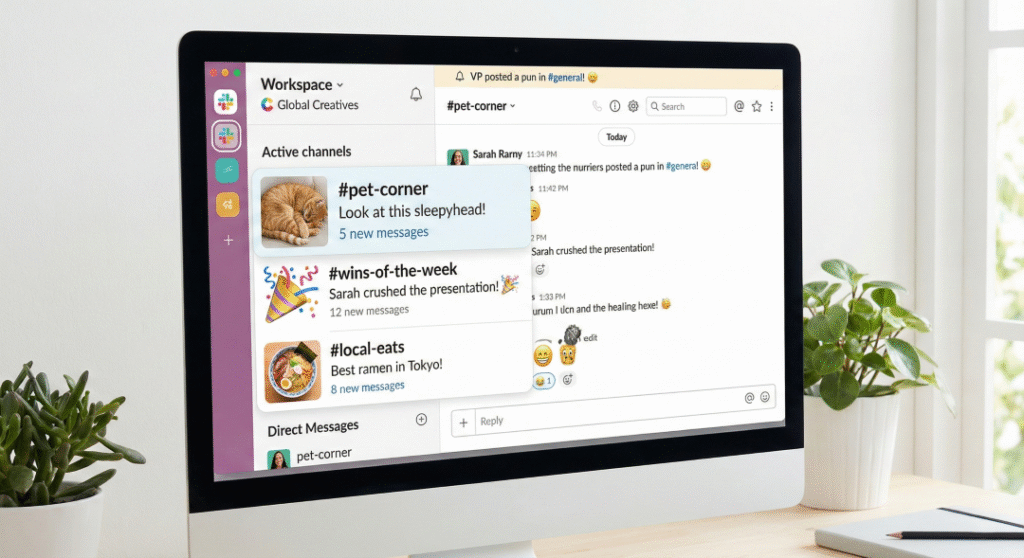
At one global company, the VP of Engineering started every Monday by sharing a terrible pun in the #monday-mood channel. It was silly, low-pressure, and became a ritual people actually looked forward to. Within weeks, the channel was buzzing organically with personal shares and lighthearted banter, building camaraderie without consuming a single meeting hour. This isn’t just fun; it’s the subtle glue that makes collaboration smoother when work gets tough.
2. Foster Psychological Safety Through Structured Reflection
Team building isn’t just about feeling good; it’s about creating an environment where people feel safe to be human, admit mistakes, and ask for help. This is where well-facilitated, virtual retrospectives shine – but only if they move beyond a perfunctory project post-mortem. Dedicate time specifically to how the team is working together. Use prompts like:
- “What’s one interaction this month that made you feel truly supported?”
- “Where did communication break down, and how can we adjust?”
Crucially, leaders must model vulnerability first.

I recall a marketing team struggling with missed deadlines. Instead of blaming individuals in their retro, their manager shared her own struggle with unrealistic timelines she’d inherited. This opened the floodgates; team members felt safe to discuss workload pressures and tooling gaps. The solution wasn’t a team-building game; it was co-creating a more realistic workflow. The trust built in that session directly improved their next campaign’s execution. True connection is forged in the fires of honest reflection, not just shared laughter.
3. Leverage Skill-Sharing as a Bonding Catalyst
Move beyond “show and tell” your vacation photos. Tap into the diverse, often hidden, talents within your team. Create opportunities for members to teach each other practical skills unrelated to their core job function – but valuable nonetheless. This could be a 20-minute session on “Mastering Excel Pivot Tables for Non-Analysts,” “Quick Canva Hacks for Better Presentations,” or even “Mindfulness Techniques for Focused Work”. The magic here is twofold: it showcases individual expertise (boosting confidence and respect) and provides tangible value.
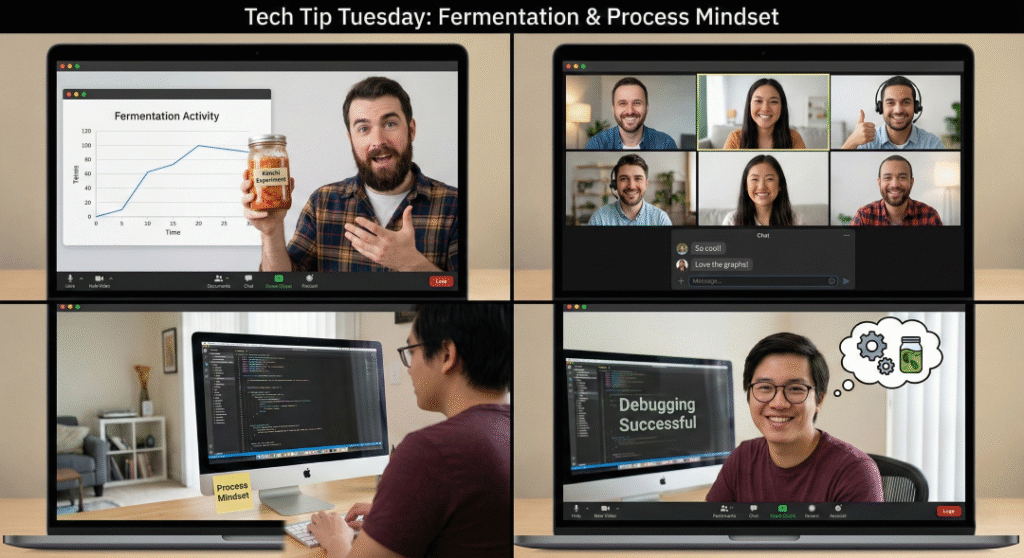
A team I once worked with implemented “Tech Tip Tuesdays“. An engineer passionate about home brewing led a session on the science of fermentation. While seemingly off-topic, it sparked fascinating conversations about precision, process control, and troubleshooting – themes directly applicable to their work. More importantly, it revealed a side of a quiet team member that built immense goodwill. People connect deeply when they learn from each other.
4. Create Purpose-Driven Micro-Experiences
Ditch the exhausting 3-hour virtual escape room marathon. Instead, design small, optional, themed experiences tied to a shared purpose or season. Think “Summer Reading Bingo” with categories like “Book Set in a Teammate’s Hometown” or “Author from an Underrepresented Group,” shared via a simple digital board. Or a “Gratitude Blitz” week, where everyone is encouraged (but not forced) to send one specific, genuine kudos message to a colleague in a dedicated channel each day. The key is low time commitment, high meaning, and clear opt-in/opt-out.
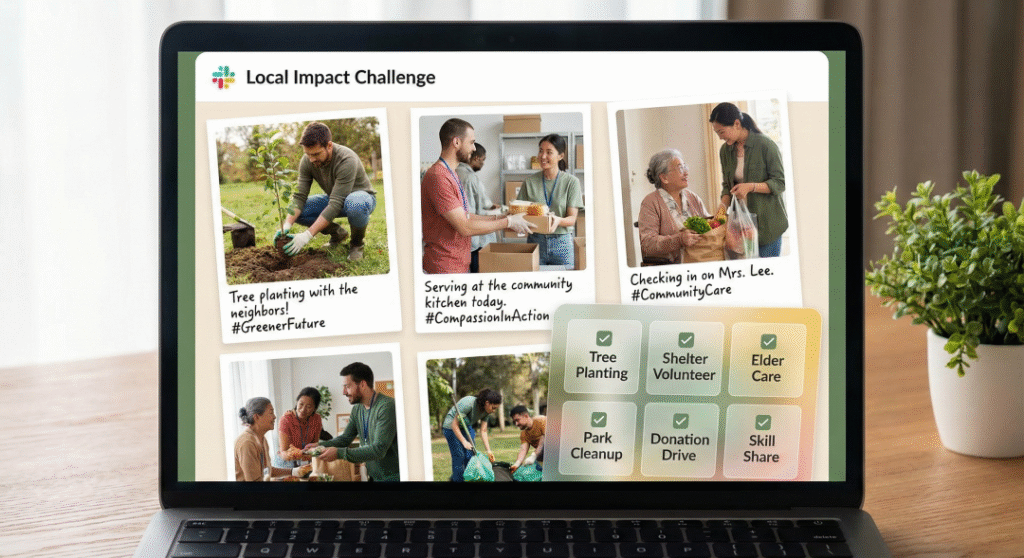
A non-profit client ran a “Local Impact Challenge“. Over two weeks, teammates shared photos or short videos of themselves volunteering locally (planting trees, serving meals) or simply supporting a neighbor. The shared channel became a powerful, emotional tapestry of their collective values in action, strengthening their mission-driven bond far more effectively than any game could. Purpose resonates; forced participation repels.
5. Normalize “Camera-Optional” Casual Connection
Not every interaction needs a video call. Sometimes, the deepest connections happen in the quiet moments. Experiment with asynchronous “voice note check-ins.” Use tools like Voxer or even WhatsApp voice messages for a dedicated channel where team members can share a quick, personal update – “Just crushed my morning run!”, “Feeling overwhelmed by this report, need a pep talk later,” or “My kid just did the funniest thing…” – without the pressure of being “on.” Or try a shared digital space like a Miro board labeled “Team Mood Wall” where people anonymously (or not) drop an emoji or short phrase reflecting their current state.
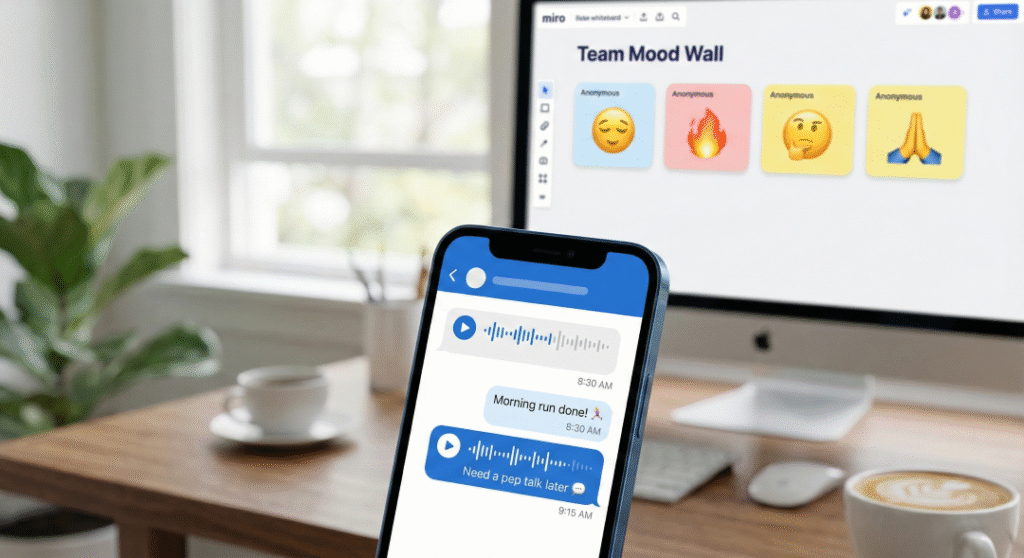
A product team I knew used this during a high-stress launch. Seeing multiple “🔥” and “😬” emojis validated shared stress without anyone having to awkwardly verbalize it in a meeting. The manager then proactively adjusted deadlines. This subtle awareness, built through low-stakes sharing, fosters empathy and allows leaders to support their team before burnout hits. Connection isn’t always loud; sometimes, it’s a quiet understanding.
The Real Takeaway: Intention Over Activity
Effective virtual team building isn’t about finding the perfect online game. It’s about recognizing that trust and connection are the infrastructure of high-performing remote teams, not the decoration. It requires consistent, intentional effort woven into the fabric of daily work – small moments of humanity, spaces for vulnerability, opportunities to be seen beyond the job title, and respect for individual energy levels. Start small. Pick one of these approaches that resonates with your team’s current pain point. Pilot it for a month. Ask for genuine feedback. Iterate. Ditch what feels forced. Double down on what sparks authentic interaction.
When connection becomes less of a scheduled event and more of a natural byproduct of how you work together, that’s when virtual team building stops being a chore and starts being the secret weapon of truly resilient, innovative, and human teams. The goal isn’t just to build a team that works remotely; it’s to build a team that genuinely thrives together, no matter the distance. That’s worth building intentionally.