

The phrase “under promise over deliver” sounds almost too simple to be strategic. Yet in a world where missed deadlines, scope creep, and communication breakdowns are the norm, this approach is a quiet superpower in managing expectations. It’s not about deception or lowballing — it’s about building trust through reliability, clarity, and thoughtful communication.
Early in my career, I worked with a colleague—let’s call him Mark—who had a habit that drove our team slightly mad. Whenever a client asked for a timeline on a project, Mark would always add a buffer. “We’ll aim to deliver by Friday,” he’d say, even when we knew internally we could finish by Wednesday. At first, I thought he was sandbagging or lacking confidence. But over time, I realized Mark wasn’t playing it safe—he was mastering one of the most underrated skills in professional life: managing expectations.
Why Expectations Are Everything
“My motto is very simple: under-promise and over-deliver.”
Clients, managers, and teammates don’t just evaluate your work based on output — they judge it against what they expected. Deliver a stellar report a week late, and you’ll still get dinged for the delay. Hand in a solid draft a day early, and you’re a hero—even if the content is merely good, not perfect.

I learned this the hard way during a major product launch early in my marketing career. Eager to impress, I told leadership we’d have the campaign assets ready in five days. We worked nights and weekends to hit that mark—only to have a minor typo discovered post-launch. The team was exhausted, the typo was fixed within hours, but the perception stuck: “They barely made the deadline and still missed something.” Had I said “seven days,” delivered in five with zero errors, the story would’ve been entirely different.
Setting Realistic Boundaries Without Sounding Uncommitted
The key to under-promising isn’t to sound hesitant or unenthusiastic. It’s about anchoring your commitments in reality while leaving room for the unexpected—because in any complex project, the unexpected will happen.
When a stakeholder asks, “Can you get this done by tomorrow?” resist the urge to say yes immediately. Instead, try: “I can prioritize this and aim to have it to you by end of day tomorrow. If anything comes up that might delay that, I’ll let you know by noon.” This shows ownership, sets a clear expectation, and builds in a communication checkpoint.
I once coached a junior project manager who struggled with saying “no” to last-minute requests. She started using this technique—adding a small buffer and communicating proactively—and within two months, her client satisfaction scores jumped. Why? Because she stopped overcommitting and started delivering consistently, often ahead of her revised timelines.
The Psychology of Pleasant Surprises

Human psychology is wired to respond more strongly to surprises—especially positive ones. When you deliver earlier, exceed scope slightly, or include an unexpected insight, you create a moment of delight. That moment builds goodwill that lasts far longer than the task itself.
A friend who runs a small design agency told me she always tells clients their first draft will arrive in 10 business days—even though her team usually finishes in 7. She uses those extra days for internal reviews, minor refinements, or just breathing room if a team member gets sick. Clients consistently receive work earlier than promised, often with small added touches—a custom icon set, a style guide appendix—and they rave about her “incredible turnaround.”
That goodwill translates into referrals, repeat business, and a reputation for being dependable. In contrast, teams that constantly promise the moon and deliver just the stars—even if the stars are bright—end up eroding trust over time.
Avoiding the Trap of Chronic Over-Delivery
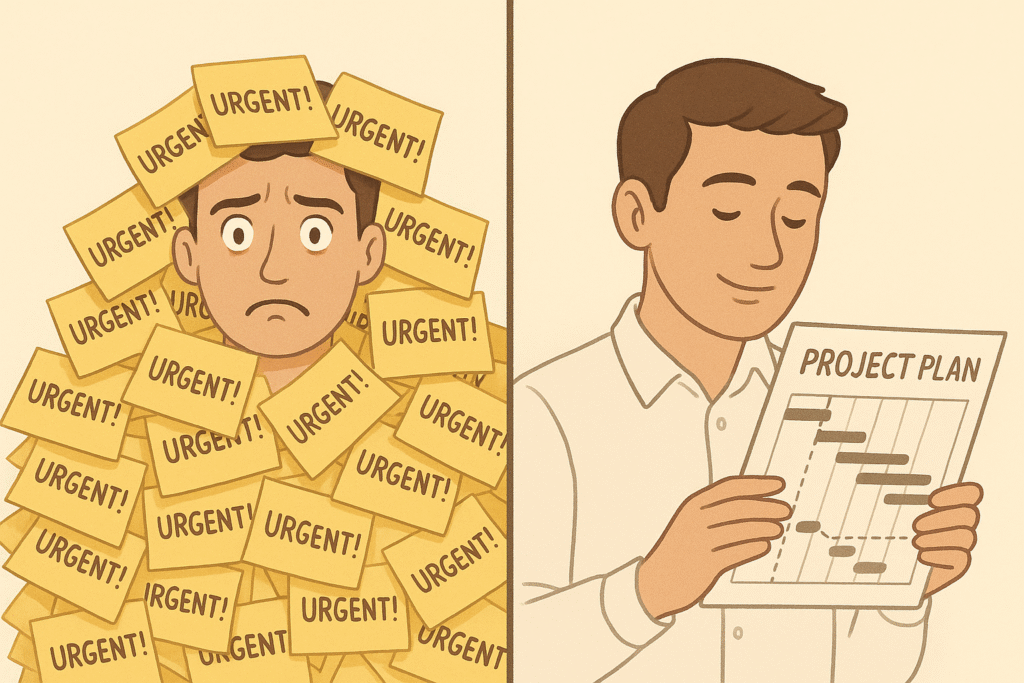
There’s a caveat, though: over-delivering shouldn’t become unsustainable. If you consistently finish work days early but never adjust your promises, stakeholders may start assuming your “buffer” is your real timeline. Worse, you risk burnout by internalizing the pressure to always go above and beyond.
The goal isn’t to work harder—it’s to communicate smarter. Use your early wins to recalibrate future expectations. For example, after delivering a project two days ahead of schedule, you might say in the retrospective: “Because we streamlined our review process this time, we can likely shave a day off similar projects going forward.” That way, you’re raising the bar based on evidence, not hope.
Making It a Habit

Start small. In your next email, instead of saying “I’ll send that over this afternoon,” try “I’ll aim to send that by end of day.” If you finish at 2 p.m., great—you’ve over-delivered. If an urgent meeting pops up, you still have time to meet your commitment.
Track how often you meet or beat your own promises over the next month. You’ll likely notice fewer last-minute scrambles, less stress, and more positive feedback—not because you’re doing more work, but because you’re aligning perception with performance.
Under-promising and over-delivering isn’t about playing games. It’s about respecting your time, honoring your word, and creating space for excellence to shine. In a noisy professional world, that kind of quiet consistency doesn’t just stand out—it builds legacies.